
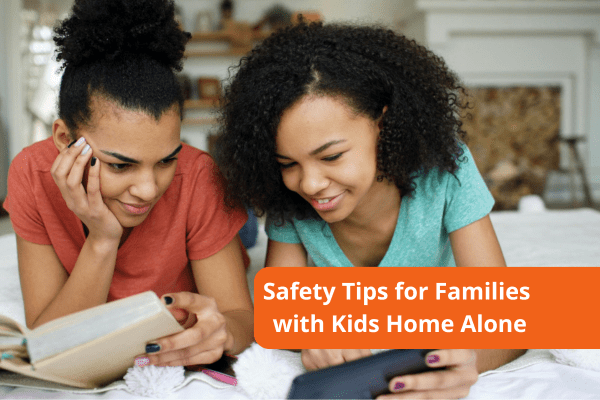
As children grow older, many parents face an important milestone: allowing them to stay home alone for short periods of time. Whether it’s after school, during summer break, or while parents run errands, having children home alone can build responsibility and independence. However, it also requires careful preparation to ensure their safety and give parents peace of mind.
At Smart Home Solutions, we understand that keeping your family safe is always a top priority. While home security systems play an important role in protecting your property, teaching children safe habits and creating a family safety plan are equally important. Here are several practical tips to help families prepare when kids are home alone.
Determine if Your Child Is Ready
Before leaving a child home alone, it’s important to assess their maturity level rather than focusing solely on age.
Ask yourself:
- Can they follow rules consistently?
- Do they remain calm in unexpected situations?
- Are they comfortable being alone?
- Do they know how to contact a trusted adult?
- Can they handle basic responsibilities without supervision?
Every child develops at a different pace. Some may be ready for short periods alone, while others may need additional time and guidance.
Start with brief periods and gradually increase the amount of time as your child’s confidence and responsibility grow.
Establish Clear House Rules
Children should understand exactly what is expected of them when they are home alone. Review important rules together, including:
- Do not open the door for strangers.
- Do not tell callers they are home alone.
- Keep doors and windows locked.
- Stay inside unless given permission otherwise.
- Avoid using appliances that require adult supervision.
- Follow internet and social media safety guidelines.
Having written rules posted in a visible location can serve as a helpful reminder.
Create an Emergency Contact List
Every child staying home alone should have easy access to important phone numbers.
Include:
- Parents’ cell phone numbers
- Work phone numbers
- Trusted neighbors
- Nearby relatives
- Family friends
- Emergency services
Post the list near the main phone or save it in your child’s mobile device. Review when and how to use each number so children understand who to call in different situations.
Practice Emergency Scenarios
One of the best ways to prepare children is through practice. Walk through common situations and discuss appropriate responses.
Examples include:
- Someone knocks at the door unexpectedly.
- A smoke alarm sounds.
- The power goes out.
- A stranger calls the house.
- A severe weather alert is issued.
- The security alarm activates.
Role-playing helps children develop confidence and reduces panic during actual emergencies.The more familiar they are with procedures, the more likely they are to respond appropriately.
Teach Door and Visitor Safety
Children should never open the door to someone they do not know, even if the person claims to be a delivery driver, utility worker, or family friend.
Teach children to:
- Verify visitors through a video doorbell or security camera if available.
- Speak through a locked door if necessary.
- Contact a parent if they feel unsure.
- Never reveal that they are home alone.
Modern smart doorbells and video monitoring systems provide an added layer of security by allowing parents to see and communicate with visitors remotely.
Make Security Systems Easy to Use
If your home is equipped with a security system, ensure your child knows how it works. Depending on their age and maturity, they should understand:
- How to arm and disarm the system
- What to do if the alarm sounds
- How to use panic or emergency features
- How to contact monitoring services if needed
Many modern security systems also allow parents to receive real-time alerts and remotely monitor activity, providing additional peace of mind when children are home alone.
Discuss Online Safety
Today’s safety concerns extend beyond the front door. Children spending time alone may be using computers, tablets, gaming systems, or smartphones. Discuss internet safety rules regularly.
Remind children to:
- Never share personal information online.
- Avoid posting that they are home alone.
- Ignore messages from strangers.
- Report suspicious online activity.
- Use only approved websites and apps.
Cybersecurity and physical security often go hand in hand when protecting children.
Have a Check-In Plan
Regular communication helps parents stay informed and reassured.
Create a simple check-in schedule such as:
- A text when they arrive home
- A phone call after completing homework
- A quick update every few hours during longer periods alone
These check-ins provide opportunities to address concerns and confirm that everything is going smoothly. Children also gain comfort knowing they can easily reach a parent if needed.
Secure Potential Hazards
Before leaving children home alone, make sure potentially dangerous items are safely stored.
This may include:
- Medications
- Cleaning products
- Sharp tools
- Firearms
- Matches and lighters
- Alcohol
Reducing access to hazards helps prevent accidents and supports a safer home environment. Parents should also ensure smoke detectors and carbon monoxide detectors are functioning properly.
Build Relationships with Trusted Neighbors
Trusted neighbors can be valuable allies when children are home alone. Let nearby neighbors know when your child may be alone and provide contact information if appropriate.
Children should know which neighbors are safe to contact if they feel uncomfortable, encounter an emergency, or cannot reach a parent. Having trusted adults nearby creates an additional layer of support and security.
Use Technology Wisely
Today’s smart home technology offers families more tools than ever before to stay connected and protected.
Features that can help parents monitor their homes remotely and quickly respond to unusual activity include:
- Video doorbells
- Outdoor security cameras
- Smart locks
- Mobile security apps
- Motion sensors
- Real-time alerts
While technology should never replace communication and preparation, it can significantly enhance family safety.
Building Confidence Through Preparation
Allowing children to stay home alone is an important step toward independence. With proper planning, clear expectations, and the right security measures in place, families can help children develop confidence while maintaining a safe environment.
We believe that safety starts with preparation. By combining smart home security technology with practical safety education, parents can feel more confident knowing their children are protected when home alone. A few simple precautions today can help create safer, more secure experiences for the entire family tomorrow.
If you’re ready to take your home security to the next level, our team is here to help with customized solutions designed for modern living. At Smart Home Solutions by Airtron, we’re dedicated to helping you make the right choices for a seamless, secure, and efficient smart home experience. Contact us here or call today at 888-265-1057 for expert planning and professional guidance in creating a personalized home security system that’s best for your work-at-home routine. Because when you feel secure, you can work with confidence.