
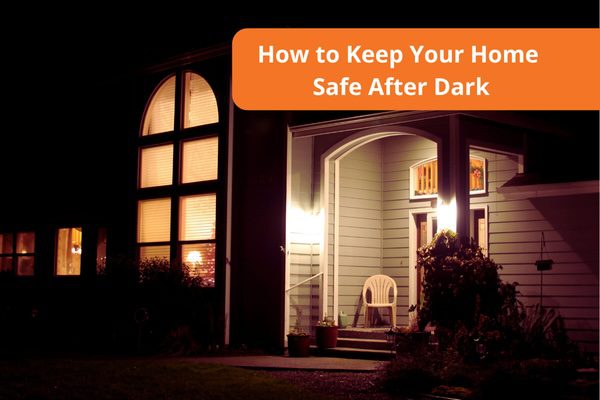
As the days grow shorter, darkness creeps in earlier, sometimes well before dinner is even on the table. That shift changes more than your evening routine. It also changes the risk profile around your home. Burglars and opportunistic criminals tend to prefer cover of darkness, and longer nights simply give them more of it to work with.
The good news is that a few adjustments to how you use your home security system, along with a bit of extra awareness, can go a long way toward keeping your family and property safe once the sun sets earlier each day.
Why Darkness Changes the Equation
Most break-ins happen during daylight hours when homes sit empty, but evening and overnight hours bring their own risks, especially as fall and winter stretch the dark hours longer. Porches, driveways, and side entrances that are easy to see in July can disappear into shadow by 6 p.m. in November. Reduced visibility gives intruders more places to hide and more time to work unnoticed.
Shorter days also change family routines. Kids may be walking home from school or activities in the dark. Parents may be arriving home well after sunset. Packages left on a porch sit exposed for longer stretches before anyone notices. None of this means you need to feel anxious about the season, but it’s worth taking a fresh look at how your home is set up to handle the dark.
Rethink How You Arm Your System
One of the simplest changes you can make is adjusting how your security system is armed throughout the day. Many families use the same settings around the clock, but a system that treats daytime, nighttime, and away hours differently can offer better protection with fewer false alarms.
Nighttime arming can activate door and window sensors while leaving room for movement inside the house, so you and your family can move around freely once everyone is home. Our post on why arming your smart home security differently for day, night, and away matters walks through how to set this up in a way that matches your household’s actual routine, not just a generic default.
Let Lighting Do Some of the Work
Good exterior lighting is one of the most effective and least expensive ways to deter a break-in. Motion-activated lights near entrances, walkways, and driveways can startle anyone who wasn’t expecting to be seen, and they give you a clear view of who’s approaching your home after dark.
Smart lighting takes this a step further. Lights that turn on automatically at sunset, or that you can control remotely while you’re away, help your home look occupied even when it isn’t. A porch light on a timer, paired with a doorbell camera, gives you both deterrence and visibility without much extra effort.
Don’t Overlook the Basics
It’s easy to assume your current setup is enough, but the start of a season with longer nights is a good time to double check. Are all your door and window sensors still working? Do your outdoor cameras have a clear, unobstructed view now that the sun sets earlier? Are there blind spots near entrances that trees or landscaping have grown to cover since summer?
A periodic review can catch small issues before they become real vulnerabilities. Our post on the importance of a home security audit covers what to look for and how often to check.
Prepare for Winter’s Unique Risks
Longer nights are often the first sign of colder weather on the way, and winter brings its own set of home security concerns beyond just darkness. Power outages, frozen pipes, and reduced visibility during storms can all affect how your security system performs when you need it most.
Backup power for cameras and alarm panels, along with sensors that can alert you to temperature drops or water leaks, can help you stay ahead of these seasonal risks rather than reacting after the fact. Learn here how smart home security helps prevent winter emergencies and can prepare your system for the months ahead.
Upgrade Where It Counts
If it’s been a while since you evaluated your security setup, the shift into shorter days is a natural moment to consider what’s changed. Newer features like video doorbells with night vision, smart locks, and app-based alerts can address exactly the kind of visibility and awareness gaps that longer nights create.
You don’t need to overhaul your entire system at once. Even one or two targeted upgrades can make a meaningful difference. Here are 5 modern home security features you didn’t know you needed that highlights a few options worth considering.
A Few Small Changes, a Lot More Peace of Mind
Longer nights don’t have to mean added worry. With a system set up to match your family’s actual routine, good exterior lighting, and a fresh look at your home’s current setup, you can feel confident your home is protected once it gets dark earlier.
If you’re not sure where to start, our team at Smart Home Solutions by Airtron is happy to walk through your current system and talk about what upgrades, if any, make sense for your home. Contact us through our website or call 888-265-1057 to learn more about keeping your family safe through the darker months ahead.