
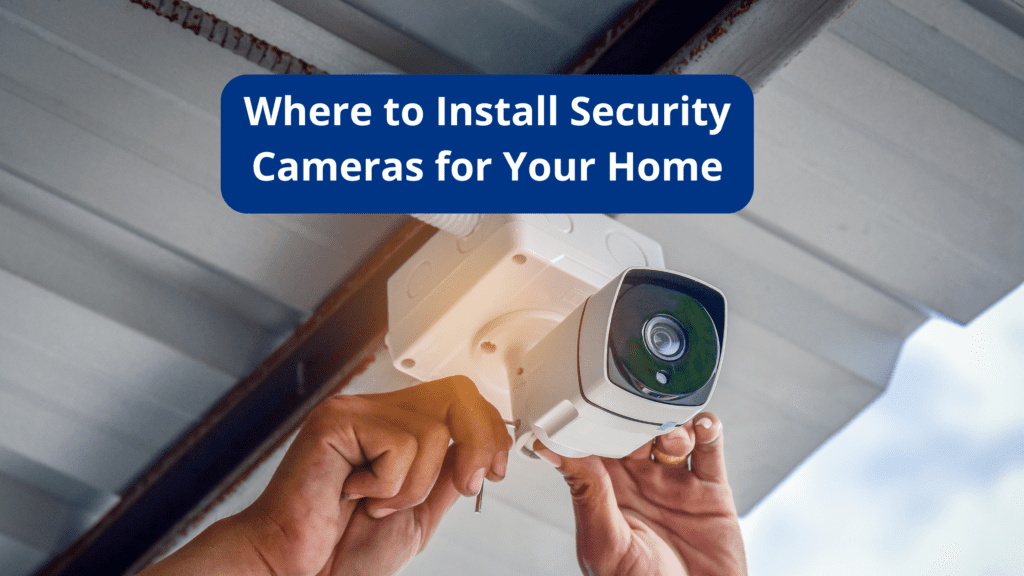
Home security cameras are an essential layer of protection for your property, offering peace of mind and helping to deter potential intruders. However, their effectiveness largely depends on where they are installed. Placing security cameras in strategic locations ensures optimal coverage and allows for real-time monitoring of vulnerable areas. Here is a comprehensive guide to help you determine the best spots for your security cameras.
1. Front Door
Statistically, the front door is the primary entry point for most burglars. Around 34% of intruders enter through the front door, making this a critical spot for camera installation. Positioning a camera above or next to the front door ensures clear footage of anyone entering or leaving your home. This location also allows for easy identification of delivery personnel, visitors, and potential intruders.
Placement Tips:
- Install the camera high enough (around 7–9 feet) to keep it out of reach.
- Angle it downward to capture faces and reduce the chance of blind spots.
- Consider using a doorbell camera that offers two-way communication and motion detection for added convenience and functionality.
2. Back and Side Doors
While the front door is a common entry point, back and side doors are also frequently targeted by intruders seeking less visible access. Installing cameras at these entry points increases your home’s security by covering all potential entryways.
Placement Tips:
- Place cameras high enough to avoid tampering and point them directly at the doors.
- For side doors or entrances, consider using cameras with motion detection to record only when movement is detected, saving storage space and providing immediate alerts.
- Ensure the camera has night vision capabilities for clear footage in low-light conditions.
3. Garage and Driveway
Garages and driveways are often targeted by burglars, especially if they contain valuable items like vehicles, bikes, tools, or storage units. Monitoring this area can help prevent unauthorized access and keep a record of any suspicious activity around your property.
Placement Tips:
- Position the camera so it covers the driveway entrance and any side or back doors on the garage.
- If you have a detached garage, place a camera inside as well to monitor the interior.
- Ensure the camera is weatherproof and able to withstand outdoor conditions, especially in extreme climates.
4. Windows Not Facing the Street
Windows not visible from the street are attractive points for intruders, as they allow for entry with minimal risk of being spotted. Placing cameras near such windows will provide extra protection in these vulnerable areas.
Placement Tips:
- Install cameras outside or inside facing the windows to capture any suspicious behavior.
- If installing indoors, ensure the camera is positioned to avoid glare or reflection on the glass.
- For ground-level windows, consider using motion-sensing lights to complement the cameras and deter potential intruders.
5. Backyard and Side Yards
These areas are typically less visible from the street and more private, which can make them ideal entry points for burglars. Cameras in the backyard and side yards ensure comprehensive coverage, capturing any potential movement around your property.
Placement Tips:
- Position cameras to cover the entire yard and focus on any entrance points, like gates or fences.
- Outdoor cameras with wide-angle lenses are effective here to maximize coverage.
- If you have a pool, garden, or play area, cameras in these locations can also help monitor children and pets for added safety.
6. Common Interior Spaces
In addition to exterior cameras, certain interior areas can also benefit from monitoring, particularly if your home layout has common spaces that connect to multiple entry points. Placing cameras in hallways, living rooms, or entryways provides an extra layer of security in case someone bypasses the outdoor cameras.
Placement Tips:
- Position cameras at high angles in common areas to maximize the field of view.
- Use indoor cameras with mobile alerts and high resolution to easily detect and verify any movement.
7. Stairways and Major Corridors
If a burglar successfully enters the home, they will likely need to move through common corridors or stairways. Installing cameras in these locations helps ensure intruders are captured on video as they move through your property.
Placement Tips:
- Install cameras at the top or bottom of staircases to cover anyone going up or down.
- Position the cameras to provide a clear view of the entire corridor or hallway.
- Use cameras with a wide-angle lens for optimal coverage, minimizing the number of cameras needed.
Key Considerations for Security Camera Installation
When installing security cameras around your home, keep these important considerations in mind:
- Field of View: Choose cameras with a wide field of view to cover larger areas and reduce blind spots.
- Lighting Conditions: Ensure cameras have night vision capabilities, particularly for outdoor areas and entry points. Motion-activated lights can also enhance visibility at night.
- Camera Height and Angle: Install cameras high enough to prevent tampering but angled to capture clear, identifiable images.
- Connectivity and Power: For wired cameras, plan for power sources and cable routing. Wireless cameras should have strong Wi-Fi connectivity and battery or solar options if necessary.
- Data Storage: Decide between local storage (e.g., DVR or NVR systems) and cloud storage options. Each has its own benefits depending on budget, convenience, and data security preferences.
Strategically placing security cameras around your home significantly enhances its safety and can deter intruders. By focusing on key entry points, hidden windows, outdoor areas, and essential interior spaces, you create a comprehensive surveillance system that safeguards your property.
With the right camera placement, lighting, and equipment, your home security setup will be equipped to capture clear footage and provide peace of mind day and night. Remember, a well-protected home starts with the right camera locations and a proactive approach to security. Contact us today at 888-265-1057 to find out how you can create a personalized home security system that’s best for you and your family.